
The Allure of Risk and Reward
The psychology of casino gambling is deeply tied to the thrill of risk and the allure of potential rewards. Players are often drawn in by the prospect of winning big, which activates the brain’s reward centers much like other pleasurable activities. The uncertainty of gambling outcomes creates a compelling environment where the possibility of an unexpected win enhances excitement, leading players to chase those feelings of euphoria. Furthermore, many players seek platforms that provide fast casino withdrawal options, as this dynamic can create a cycle of behavior where the anticipation of a payout becomes more intoxicating than the actual win itself.
Moreover, the design of casino environments is intentionally crafted to heighten this psychological thrill. Bright lights, loud noises, and visually stimulating games all contribute to an atmosphere that encourages prolonged play. This sensory overload can lead to a state of flow, where players become fully immersed in the experience, sometimes neglecting time and money. This immersion can blur the lines between entertainment and compulsive behavior, pushing individuals further into the gambling world.
Cognitive biases play a significant role in how individuals perceive their chances of winning in a casino setting. Many gamblers fall prey to the illusion of control, believing they can influence outcomes through specific actions or strategies, despite the inherent randomness of games. Such biases can lead to an escalation of commitment, where players continue to gamble in pursuit of a win that feels increasingly just within reach, often leading to greater financial losses and fostering an addictive cycle.
The Role of Social Interaction
Social interaction is another vital aspect of casino gambling that significantly influences behavior. Whether it’s engaging with dealers, sharing stories with fellow players, or celebrating wins together, these interactions can enhance the overall gambling experience. People often seek out casinos not only for the games but also for the social connections that can form in that environment. This social element can create a sense of community, making the experience more enjoyable and reinforcing the desire to return.
Many gamblers find that the presence of others can amplify their excitement and engagement. In a busy casino, the collective energy can be palpable, as players feed off each other’s enthusiasm. This social reinforcement can encourage individuals to gamble longer and spend more, as they feel a part of something larger than themselves. The camaraderie formed in these settings often leads to memorable experiences that keep individuals coming back, reinforcing habitual gambling behavior.
Furthermore, the phenomenon of social facilitation suggests that individuals might perform differently in group settings compared to when they are alone. In a casino, the thrill of winning or the tension of losing can be heightened by the presence of others. This often leads to riskier bets and a more spirited gambling approach, driven by the communal atmosphere. The psychology of social interaction in casinos ultimately intertwines with personal motivations, making the experience both enjoyable and potentially dangerous.
The Impact of Marketing and Design
Casino operators invest heavily in marketing strategies and design elements that appeal to the psychological triggers of potential gamblers. The strategic placement of games, the use of enticing promotions, and the overall aesthetics of a casino are crafted to draw in players and keep them engaged. For example, spacious layouts, comfortable seating, and free drinks create a welcoming environment that encourages longer playtime. Each element is meticulously planned to enhance the player’s experience and manipulate their spending behavior.
Additionally, casinos often employ loyalty programs that reward frequent players, tapping into the psychological principles of commitment and consistency. When a player invests time and money into a casino’s rewards system, they may feel compelled to continue gambling to achieve higher rewards. This creates a scenario where individuals perceive their past investments as a justification for continued play, often leading to increased expenditures that can spiral out of control.
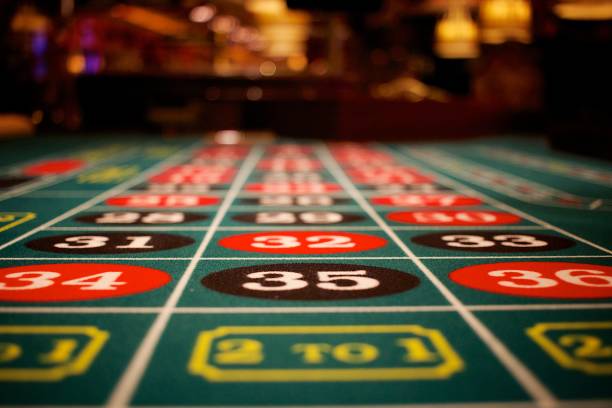
The utilization of color psychology also plays a crucial role in casino design. Specific colors are known to evoke particular emotions and behaviors; for example, red can stimulate excitement and urgency, leading to impulsive decisions. Casinos frequently employ such colors in their décor, signage, and game interfaces to elicit specific responses from players. Understanding these psychological triggers helps casinos to not only attract new customers but also retain existing ones, thus perpetuating the cycle of gambling behavior.
The Fine Line Between Entertainment and Addiction
The distinction between entertainment and addiction in casino gambling is a complex and often blurry one. Many individuals approach gambling as a form of leisure, enjoying the thrill of the game without any adverse effects. However, the psychological mechanisms at play can easily lead to problematic gambling behavior if not recognized. Factors such as personal circumstances, emotional states, and social pressures can all contribute to an individual’s susceptibility to gambling addiction.
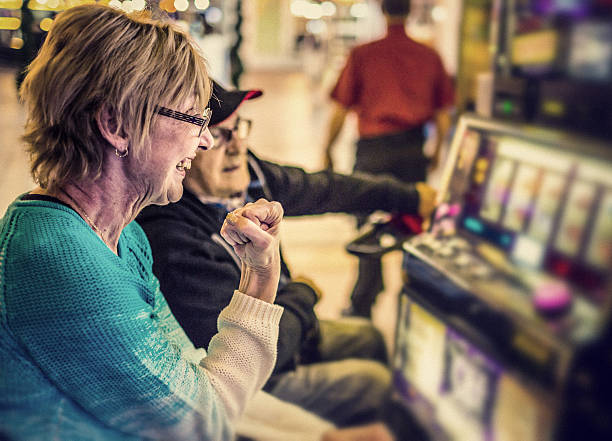
Research indicates that certain personality traits, such as impulsivity and sensation-seeking, may increase the likelihood of developing a gambling addiction. Individuals who seek constant stimulation or are prone to risk-taking behaviors are particularly vulnerable. Once they start experiencing wins, the positive reinforcement can create a powerful drive to engage in more gambling, regardless of the potential consequences. It is crucial for these individuals to understand their risk factors and develop coping strategies to mitigate the chances of addiction.
To address these challenges, many casinos and support organizations are implementing responsible gambling initiatives aimed at educating players about the risks associated with excessive gambling. These programs often focus on self-awareness and self-control, empowering individuals to make informed decisions about their gambling habits. By raising awareness of the psychological aspects of gambling, players can better navigate the fine line between entertainment and addiction, fostering a healthier gambling culture.
Exploring Resources for Responsible Gambling
As awareness of the psychological implications of gambling grows, so does the need for accessible resources to promote responsible gambling practices. Various organizations and websites offer support and information for individuals who may struggle with gambling-related issues. These resources provide tools for self-assessment, budgeting, and decision-making strategies that can help prevent the transition from casual gambling to addiction.
Educational initiatives also play a vital role in fostering a safe gambling environment. Many casinos are now required to provide information about responsible gambling and access to help hotlines, ensuring that players are aware of the potential risks before they engage in gambling activities. By creating an informed community of gamblers, the industry can work toward reducing the stigma associated with seeking help and encourage responsible play.
Furthermore, online platforms dedicated to gambling awareness offer a wealth of information surrounding the psychological aspects of gambling. These websites can provide insights into responsible gambling, offer forums for support, and connect individuals with professionals who can assist with addiction-related issues. Such initiatives are crucial in ensuring that gambling remains a source of entertainment rather than a source of harm, helping individuals to enjoy the thrill of the game while maintaining control over their actions.